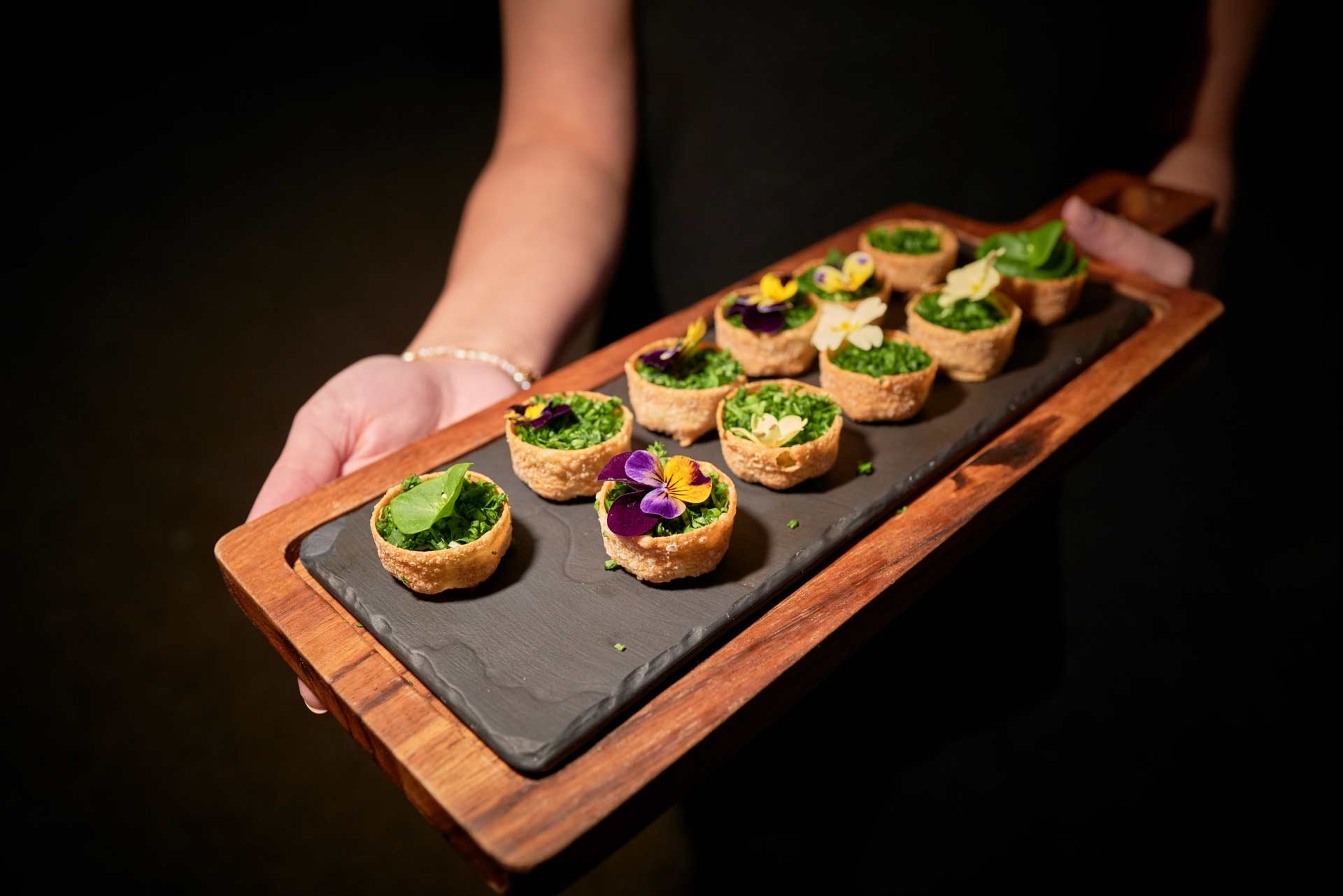
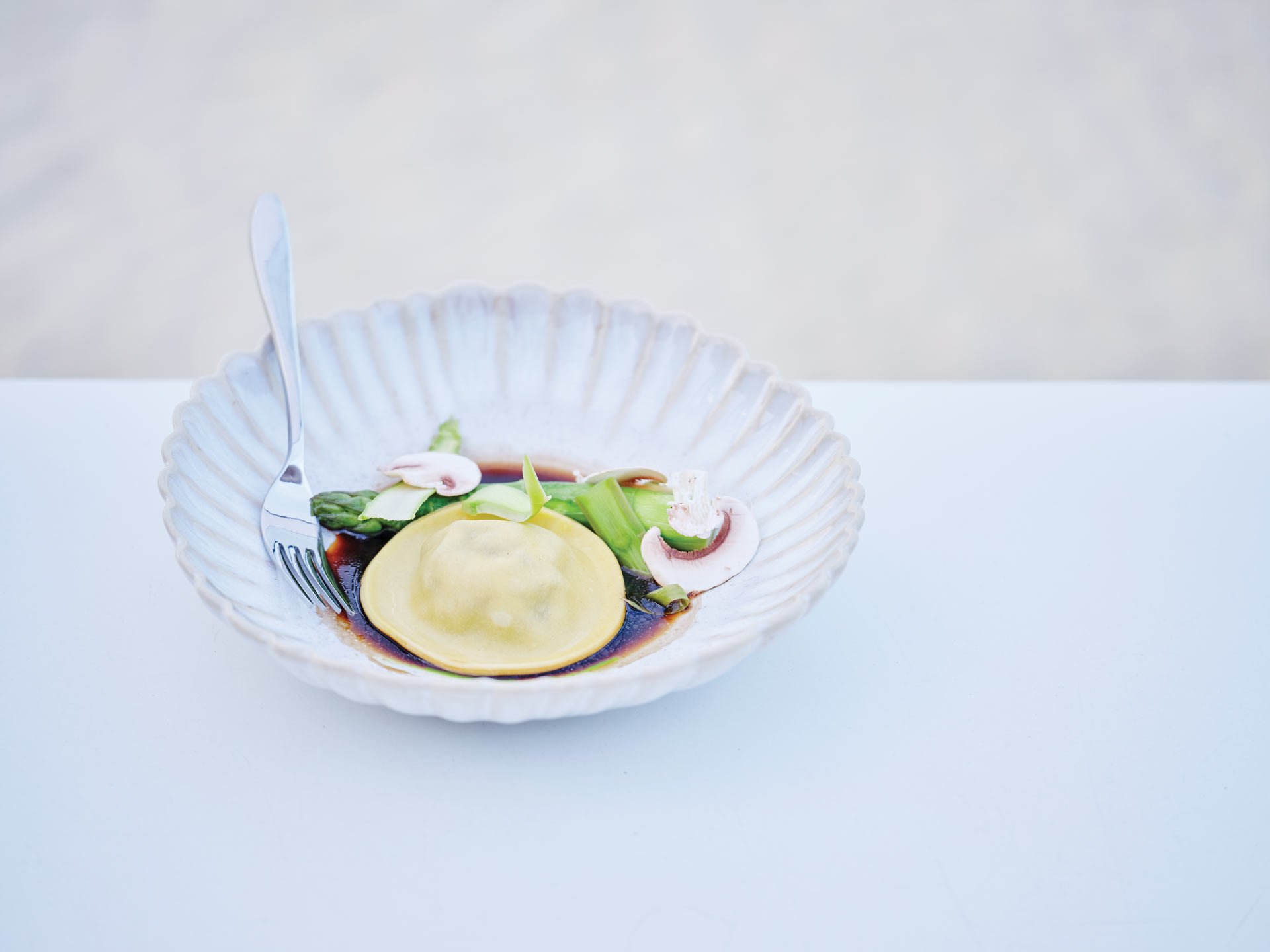
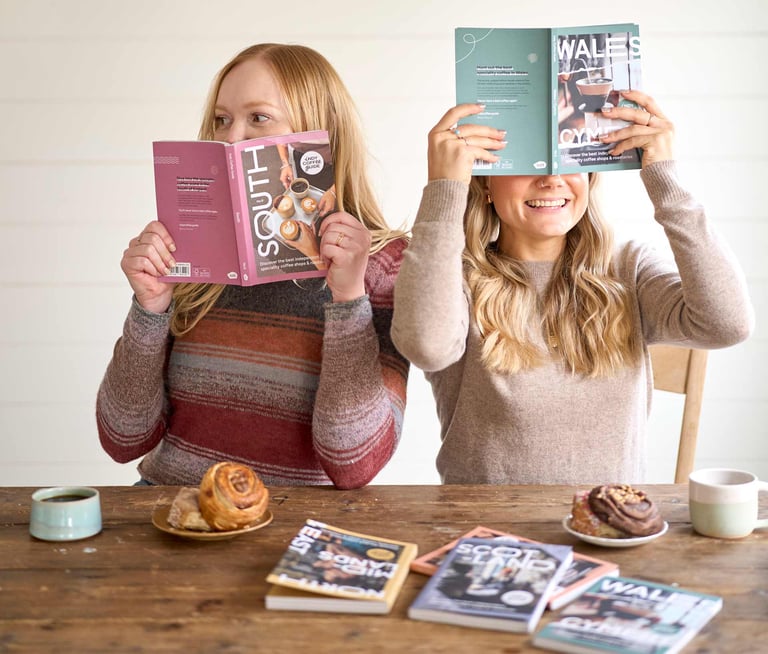
One piece of advice we regularly give to the businesses we work with through Food Lifestyle magazine, the Indy Coffee Guides and the Trencherman’s Guide is: get high-quality photographs. We work with award-winning photographer Guy Harrop regularly, and love his stunning work. However, Guy believes it’s possible to improve your own shots using a few pro tips.
Lighting
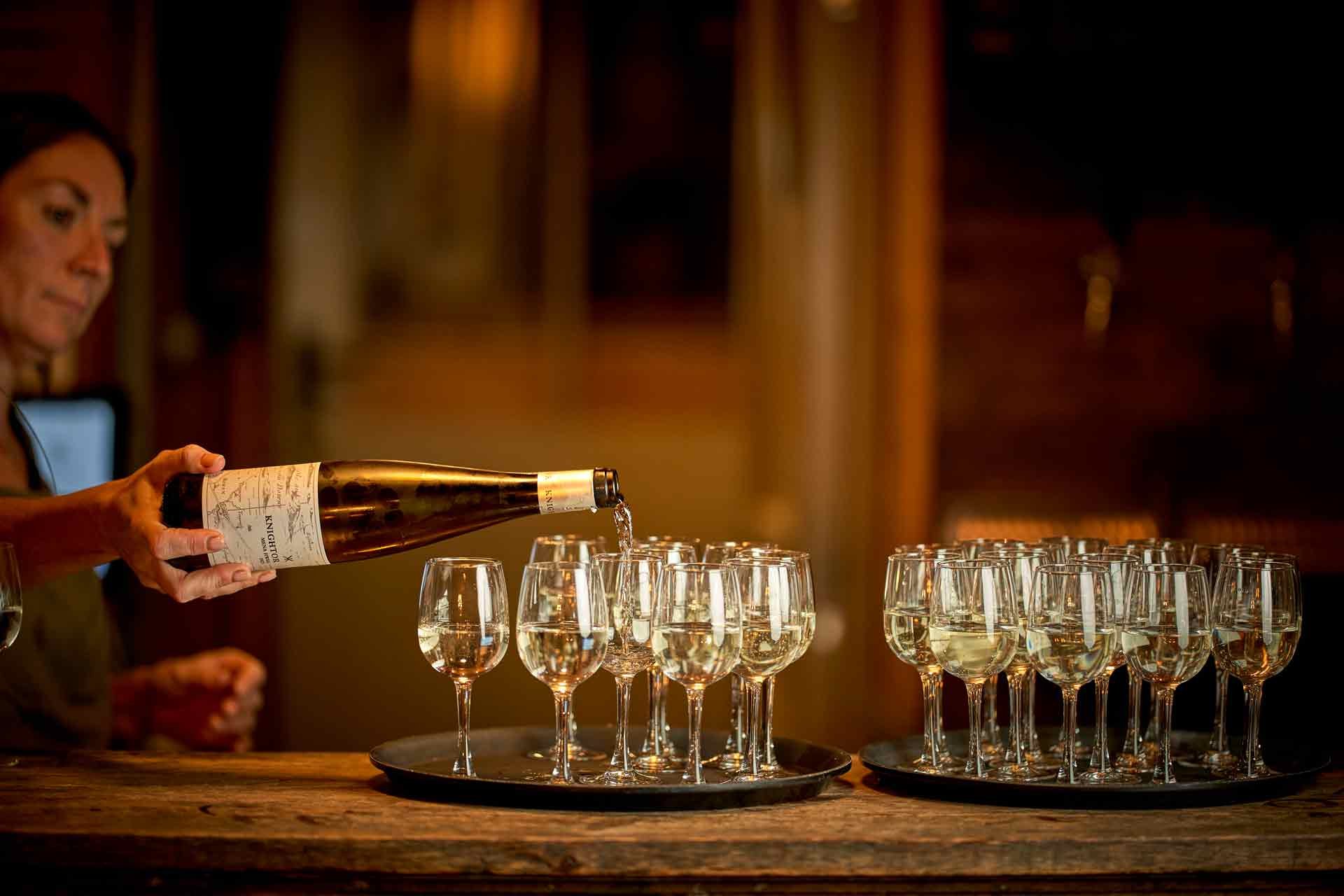
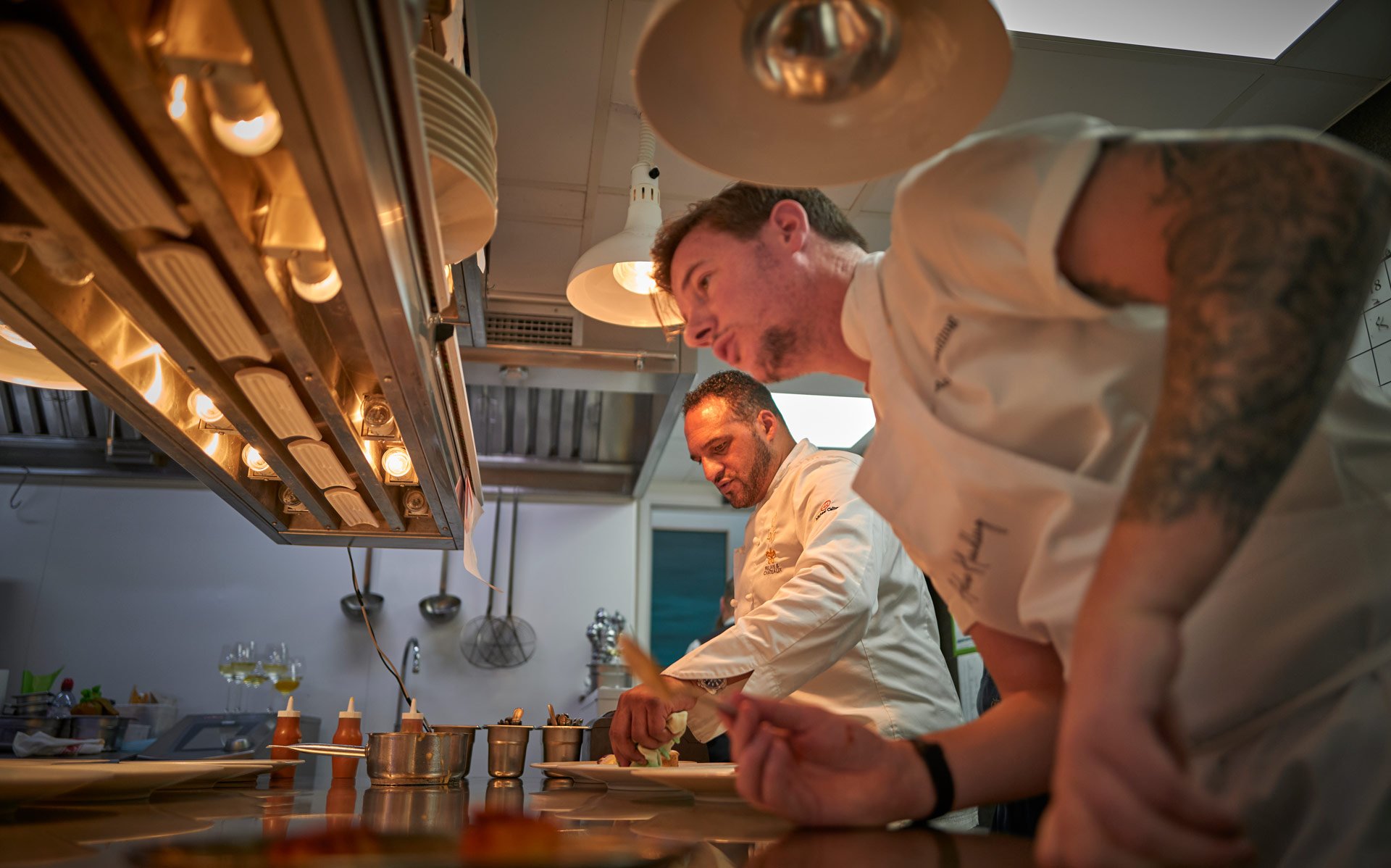
‘Like many other photographers I am a big fan of natural light,’ says Guy. ‘Pay attention to the times of day that could best complement your product and have a play around.
‘Early morning and evening light are usually the best as they will give you drama and shadow and enable contrast and depth. It goes without saying that a fairly decent camera is essential and enables greater versatility when it comes to lighting, however, if you are shooting for social media – especially Instagram – your camera phone can achieve great results.’
Composition
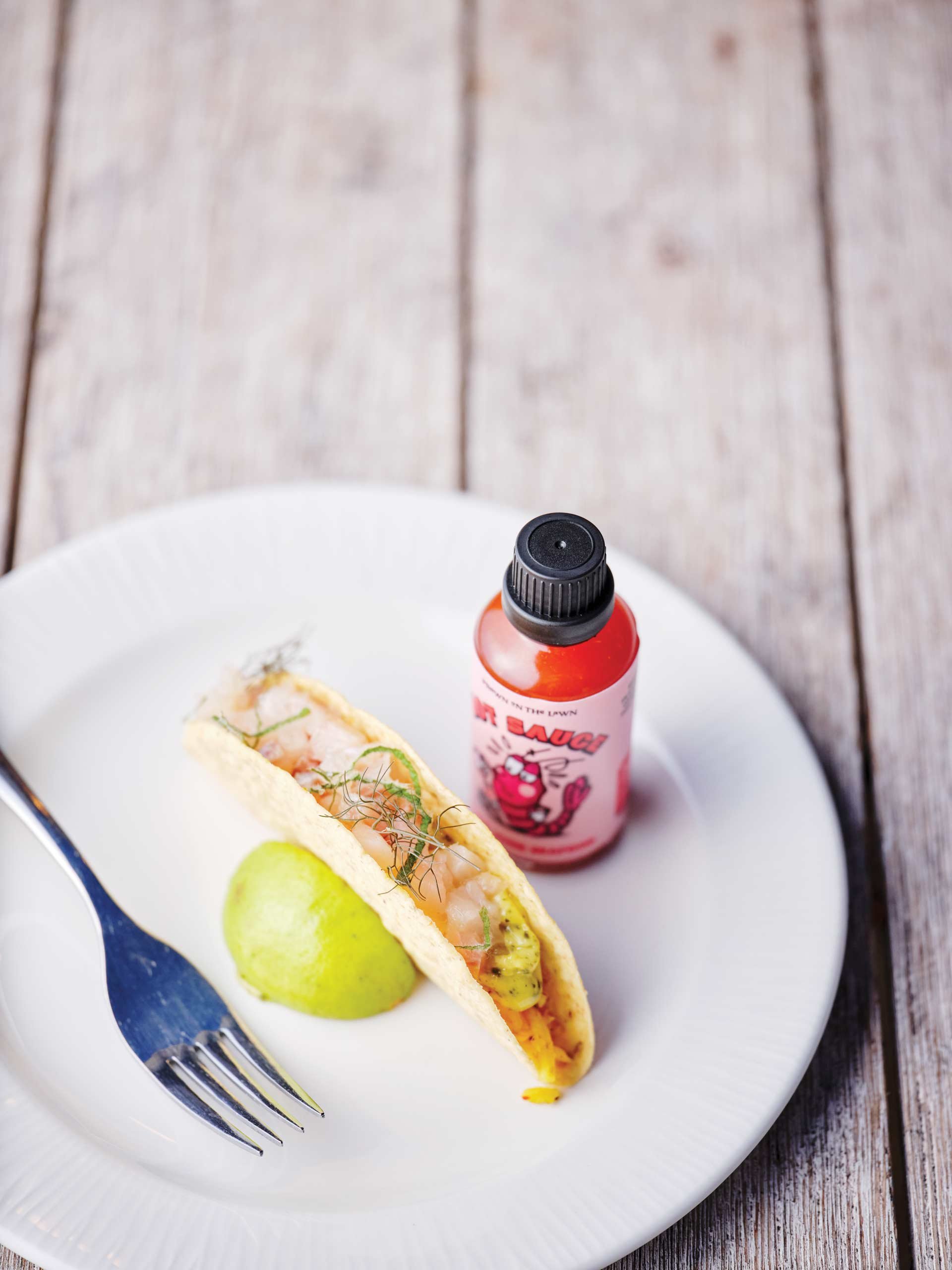
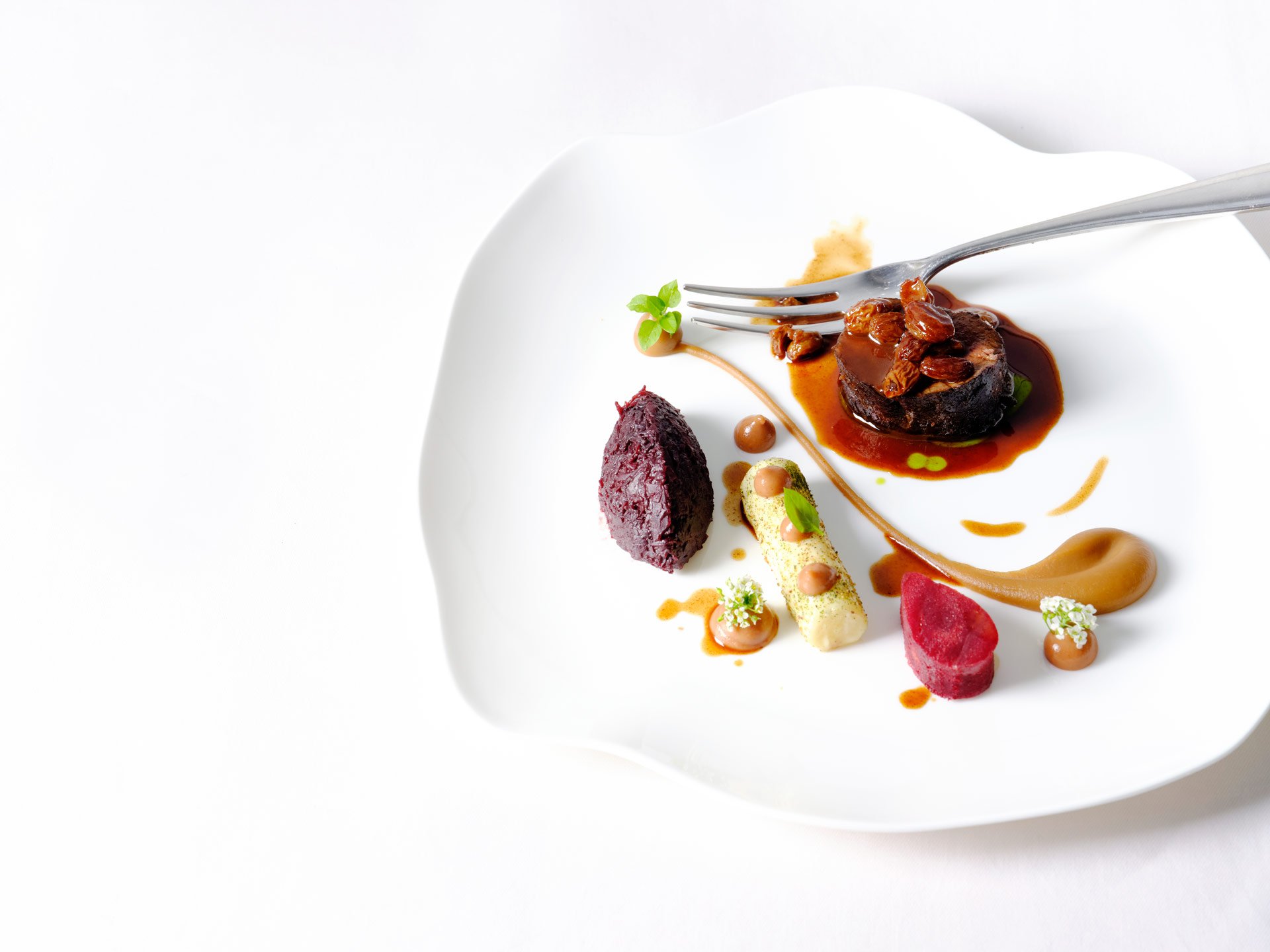
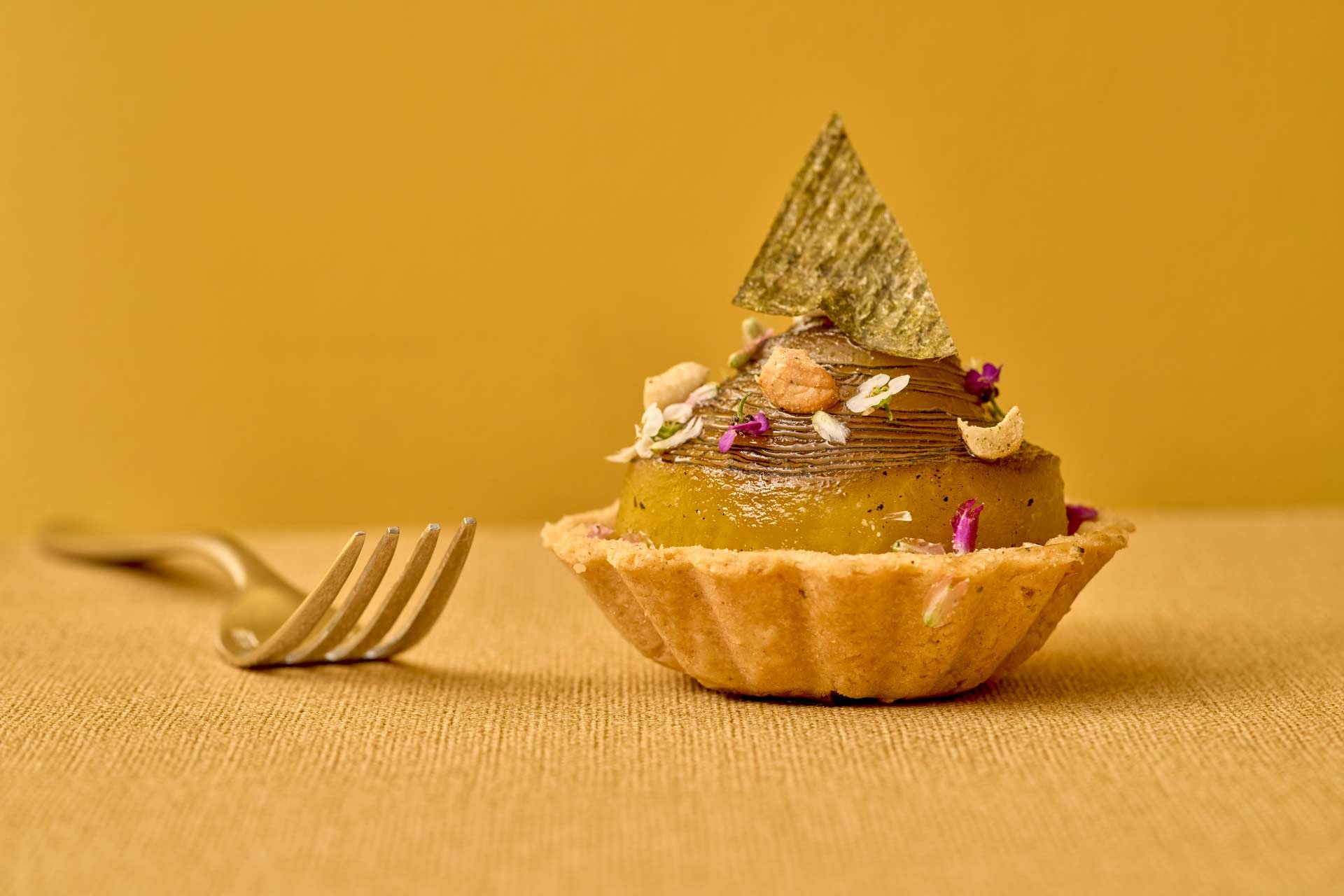
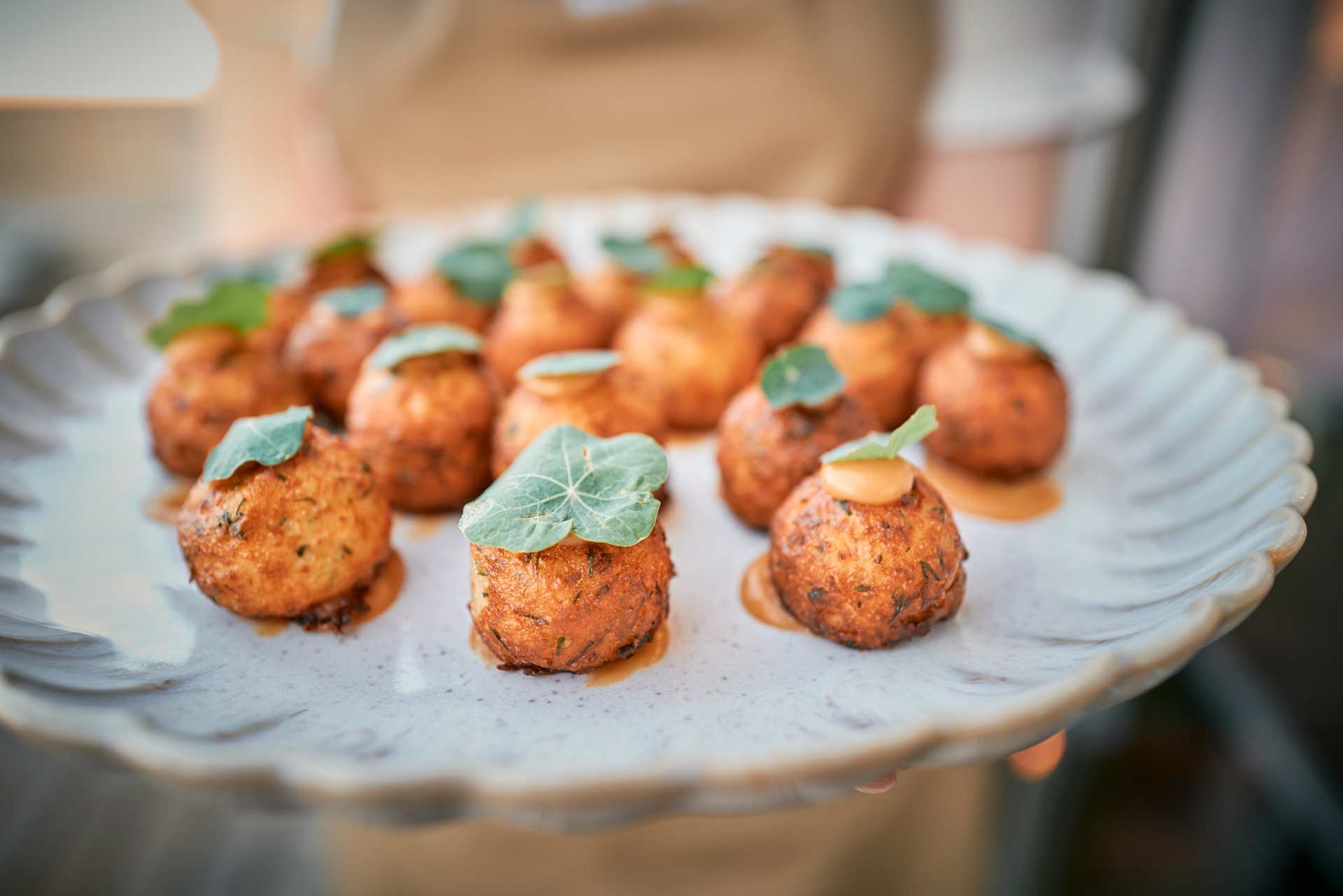
‘Composition is key, and how you build your shot is as important as lighting. Think about how to frame your product to put it centre stage and make it look appealing.
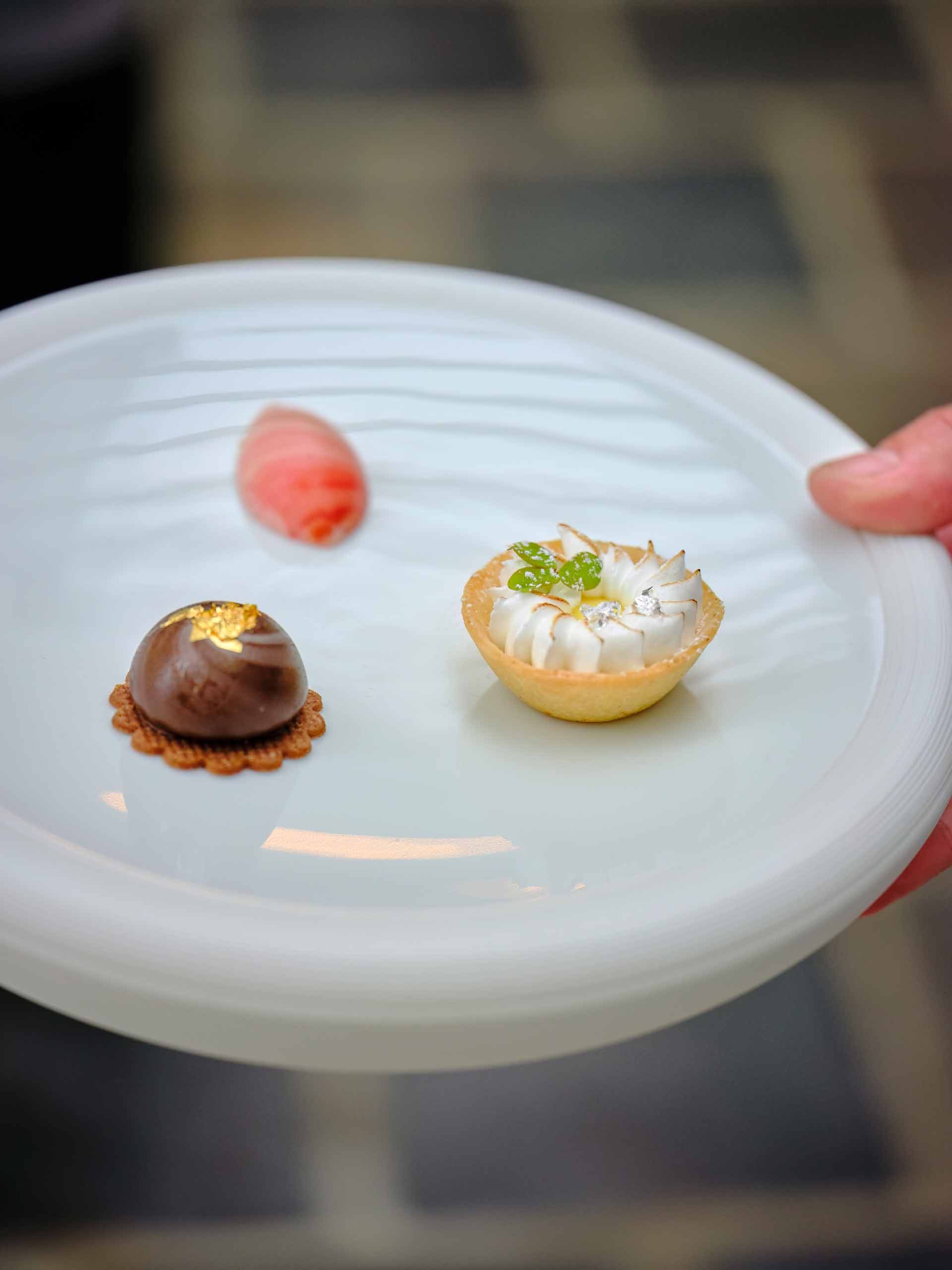
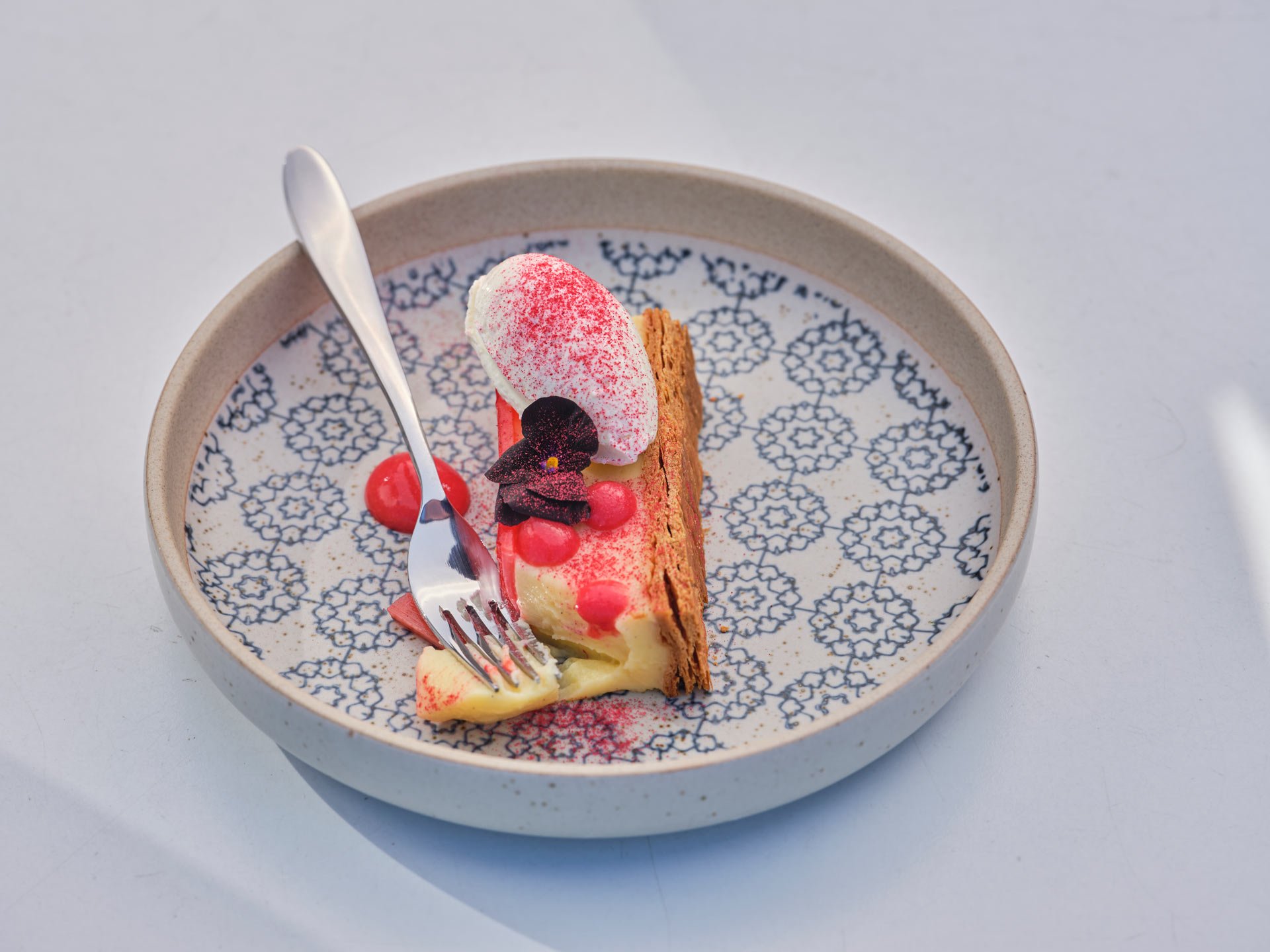
‘You might not want to show all of the dish: try cropping in – maybe just a hint in-focus to draw the eye in. There are many tricks perfected by great artists and photographers that I’m constantly learning from. I favour having something slightly off-centre and usually with a clean background. Out-of-focus, minimal props and complementary colours help blend and show off a good food image.
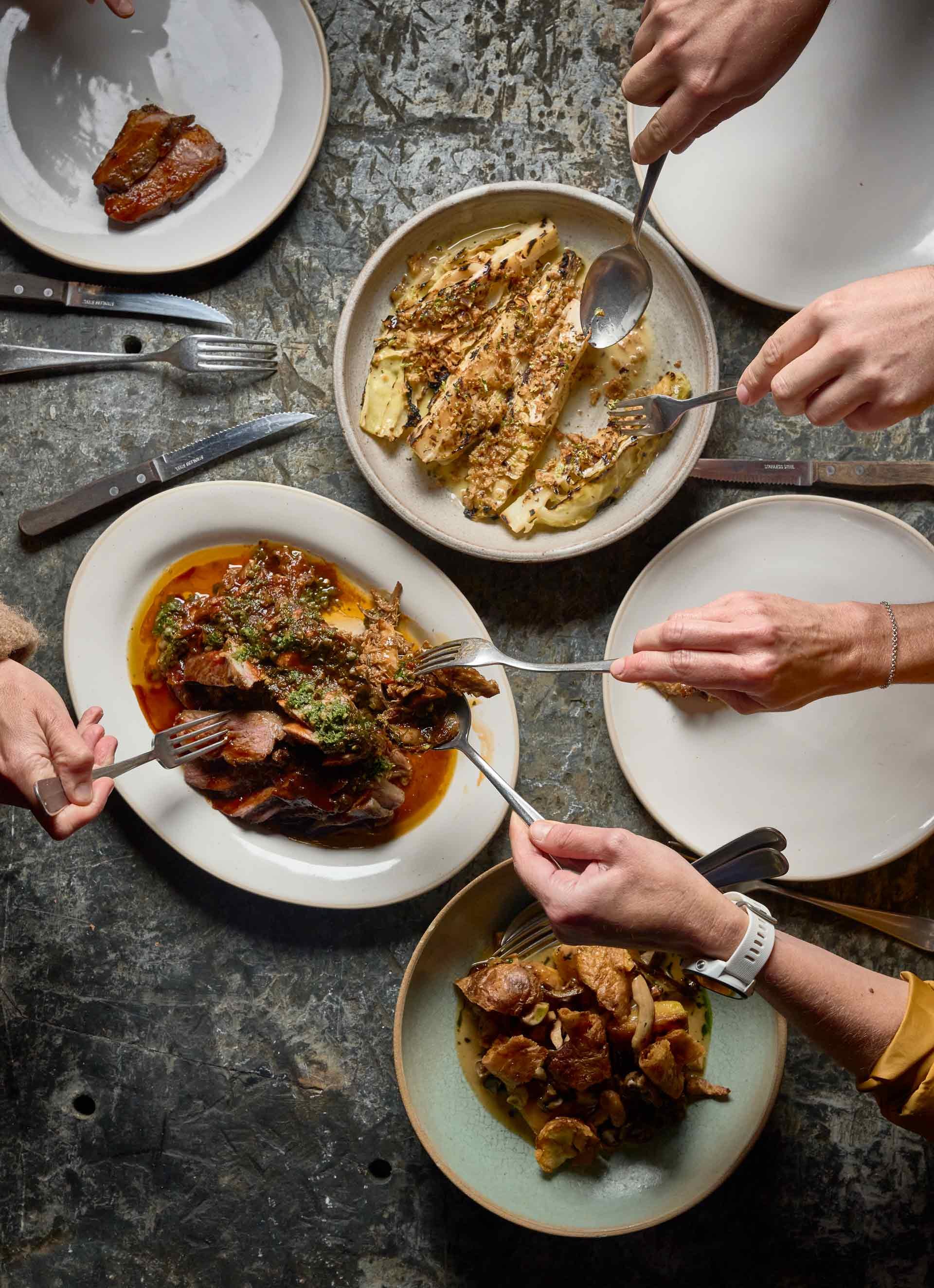
‘It’s really important to try shooting from a few different angles, some dishes look better from above, others from the side, and some at an angle. Experiment’
Build a props bank
Whenever we do shoot with Guy, part of the fun is rifling through his box of props. Guy says, ’ It’s taken years, but I’m very proud of my bank of props. I’ve scoured many a French flea market and have my favourite local second-hand stores and am always on the lookout for interesting dishes, linens, cutlery, and pots and pans.
‘To showcase your product, think about how best to stage it, so choose props that complement the look you’re going for and the target audience. Also, try using natural outdoor settings: they can complement food and tell a story by adding relevance.’

Clutter
‘Make sure you remove unwanted background objects, or change surfaces if they prove to be problematic,’ says Guy.
‘I am a huge fan of a clean image, as no one wants to see background clutter. Let the food be the hero not the shiny kitchen surface or background pictures that might detract from your beautiful food presentation. Less is more.’
Think about trends
‘Food styling is an art and takes a creative eye. To keep up with the latest trends, consider subscribing to online and printed magazines to give you inspiration and follow artists who inspire you on social media.’
Editing
‘To provide the finishing touches you’ll need some sort of editing software such as Photoshop or Lightroom. This isn’t necessary to change the photo because, if you’ve done a good job, you won’t need to. However, if you need to blur a background to make your product stand out more or if you need to remove an annoying shiny reflection these packages will become your best friend.’
Need inspiration? Check out some of the beautiful photography Guy has done for us for Trencherman’s Guide events.