Sea saunas are the UK’s hottest new experience. Swimmers, contrast-therapy enthusiasts and the simply curious are all embracing the Finnish practice. Tempted to dip a toe? Selena Young reveals the need-to-knows
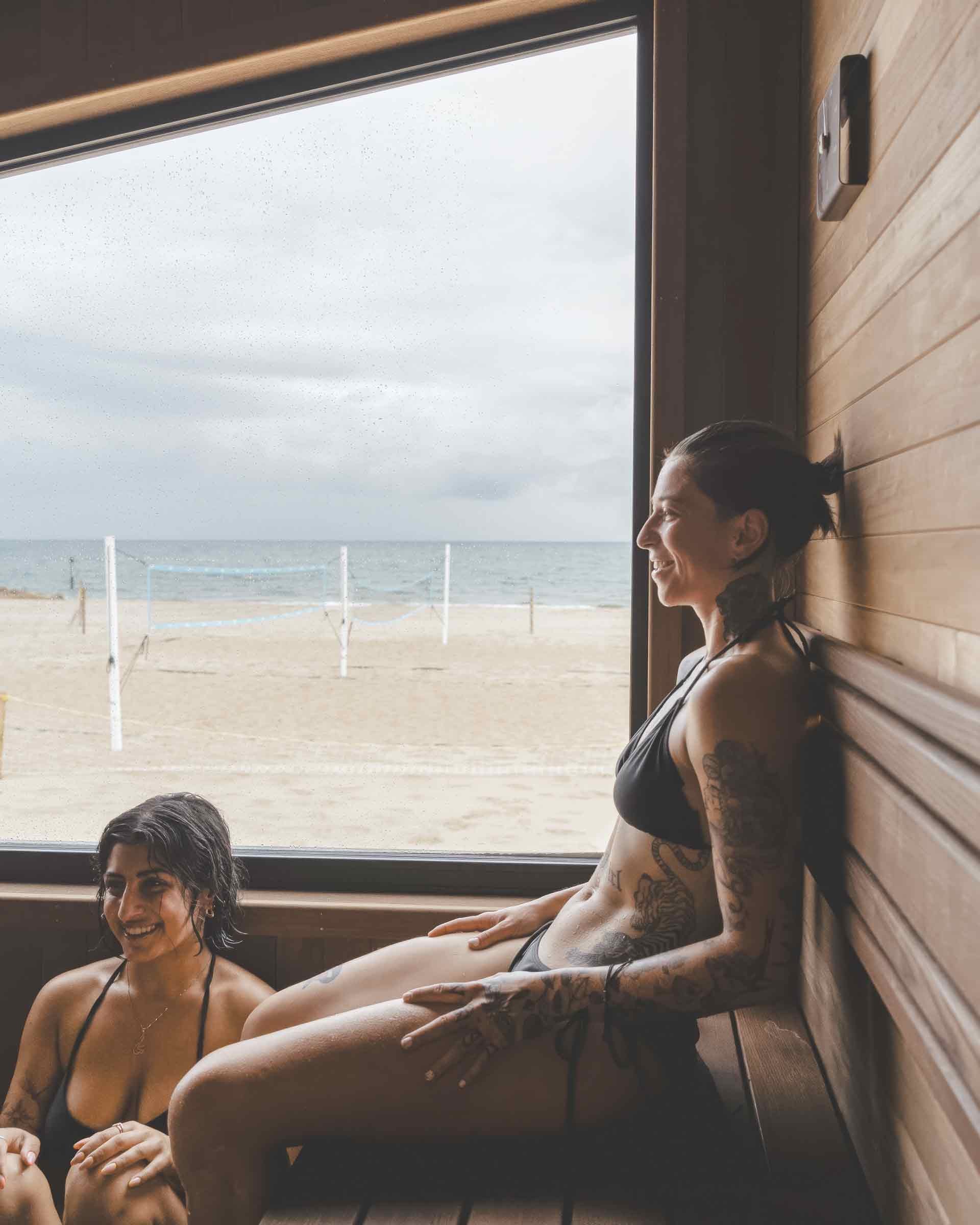
For those unfamiliar with the Nordic practice of alternating between a sizzling sauna and cold seawater immersion, picture this: after an endorphin-boosting splash in salty waters, you’re enveloped in the blissful warmth of a cedar-lined cabin. You watch waves lap the shore as a grounding aroma is released from the cabin’s cedar wood. The hum of conversation and soft steam fill the air.
Sounds wonderful, right? It’s no wonder this sensory nirvana is being embraced across the UK. Part of its popularity is due to the mental and physical benefits of contrast therapy (more on that later). However, being a social experience, it also builds community.
Nordic roots to British shores
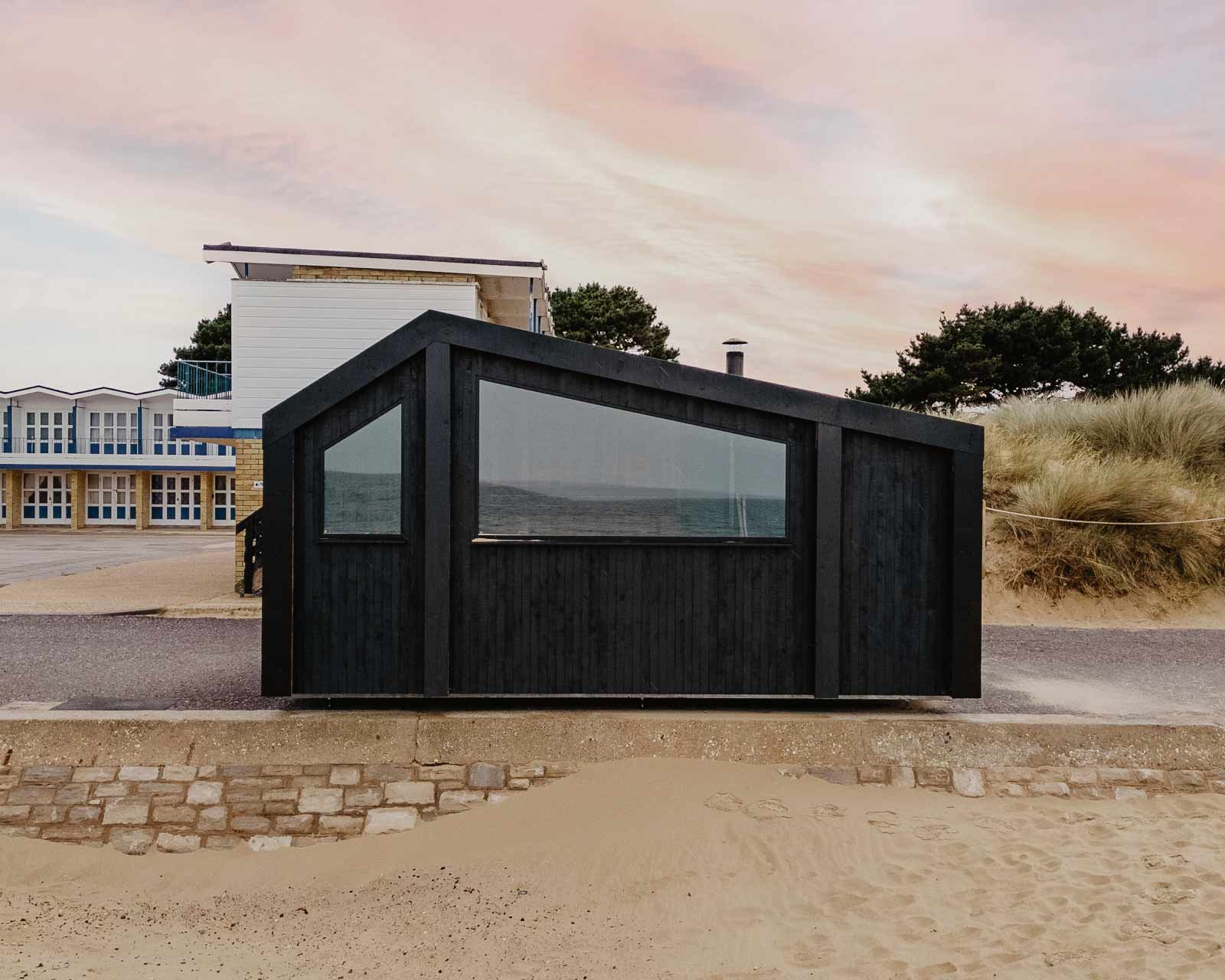
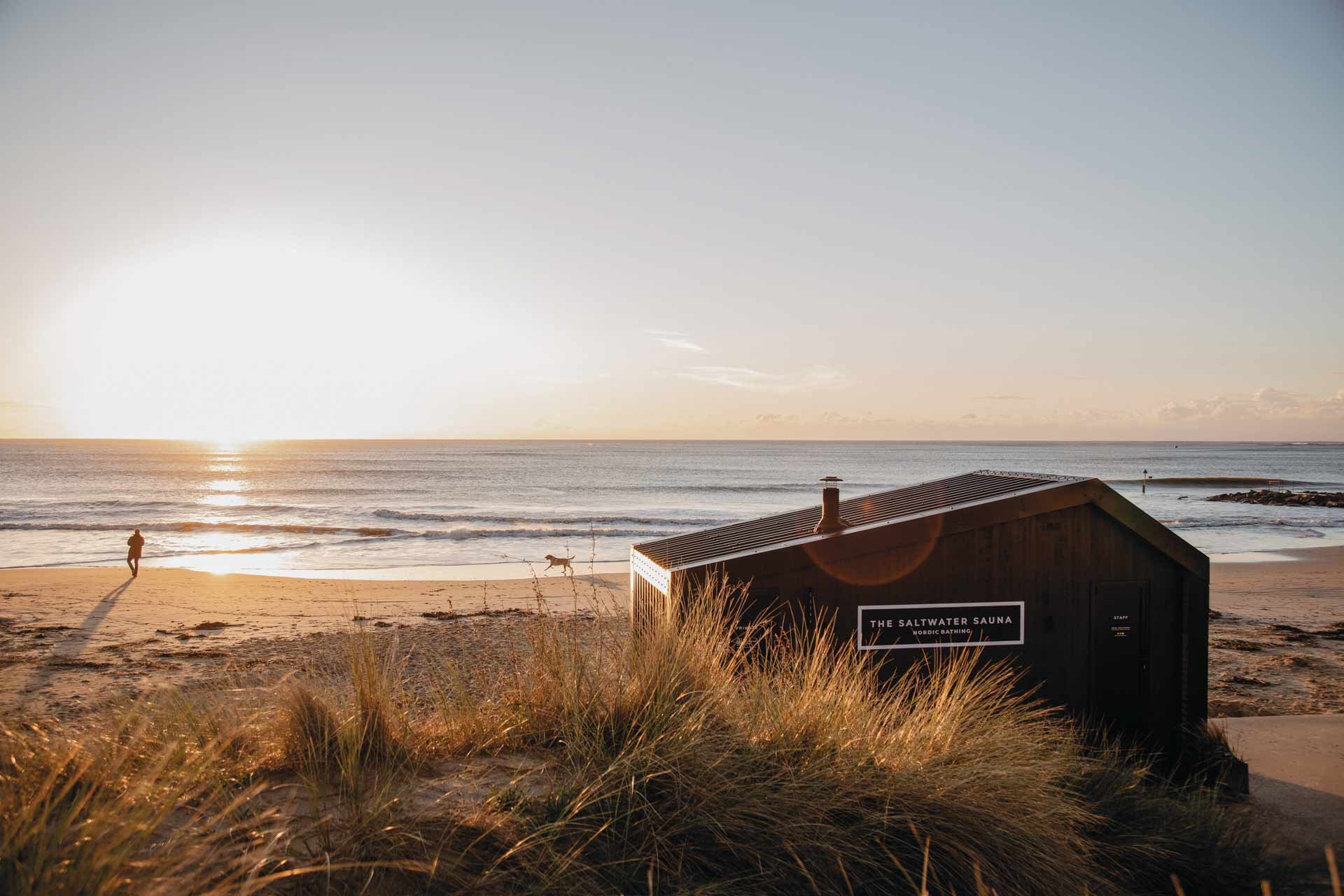
In Dorset, husband-and-wife team Sam and Arlene Glyn-Jones have been pioneers of the coastal sauna experience. Their business, The Saltwater Sauna, started in 2021 when the pair opened their first sauna (they now have three) on Sandbanks Beach in Poole. It was born of Arlene’s Finnish heritage and passions for cold-water immersion, nature and surfing, combined with Sam’s doctorate in the wellbeing sphere.
Blending ancient wisdom with contemporary wellness, their sauna experience is a world away from the conventional hotel spa session.
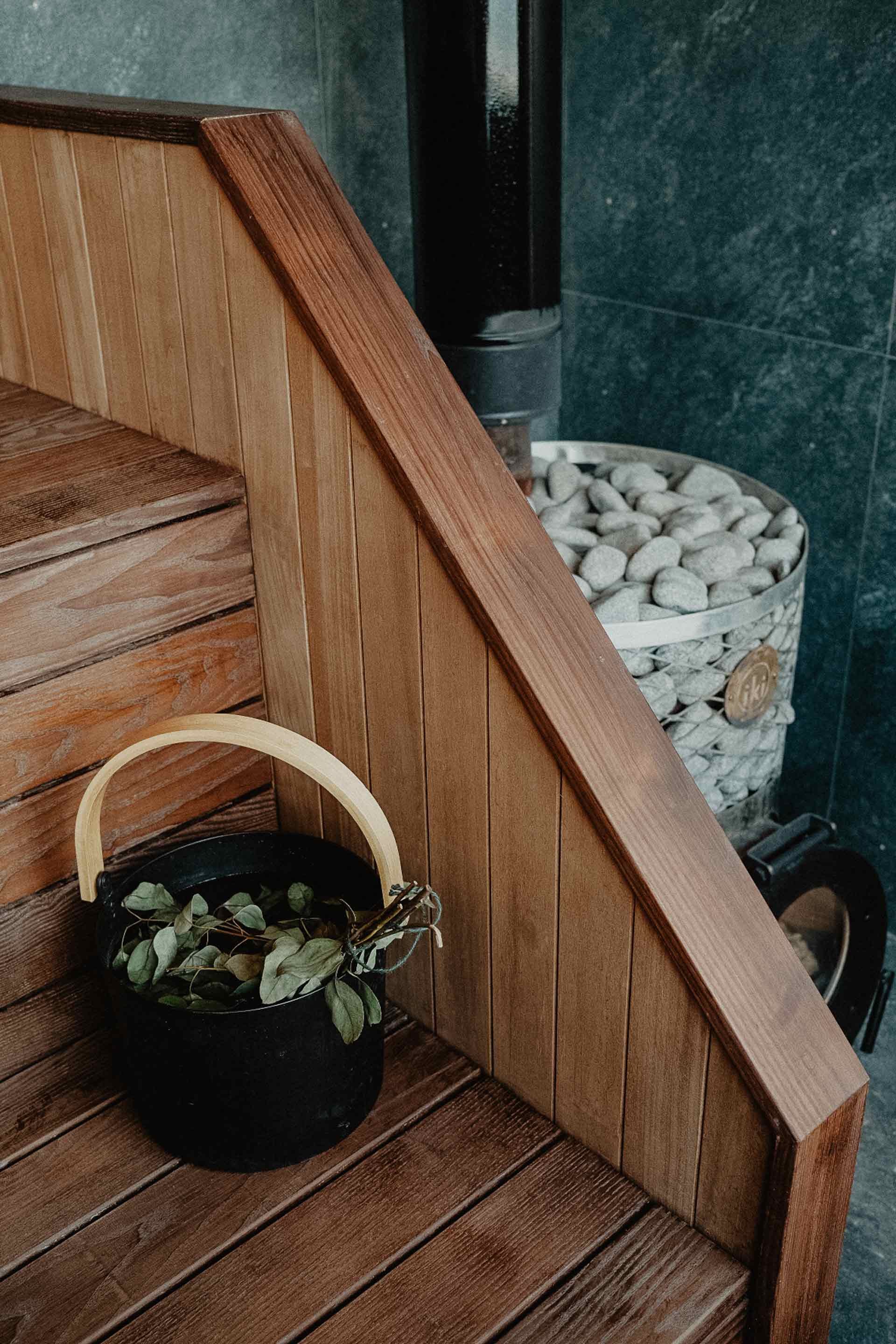
‘If a Finn, Swede or Russian visited a sauna in the UK that didn’t have exposed rocks to pour water over to create steam, they’d find it laughable,’ Sam explains. ‘Without being able to pour water on the stones, the heat sucks out all the humidity and makes the air very dry. It’s not meant to be 90C with scalding-hot benches; you want a soft humidity.
‘The other difference is that on the beach you’re in nature. Finnish sauna culture is about experiencing changing natural environments – you can’t do that in a hotel sauna as it’s the same every time.’
In Pembrokeshire, mobile Wildwater Sauna takes the same approach. ‘There’s a reason Nordic cultures have embraced sauna for thousands of years,’ says its co-founder Scott Chalmers. ‘Yet in the UK, we’re only just beginning to connect with that way of living.
‘We invite guests to slow down and immerse themselves in the wild Pembrokeshire coastline through the powerful contrast of hot and cold. The experience is unhurried, grounding and shaped by nature – changing with the tides, weather and seasons.’
What to expect
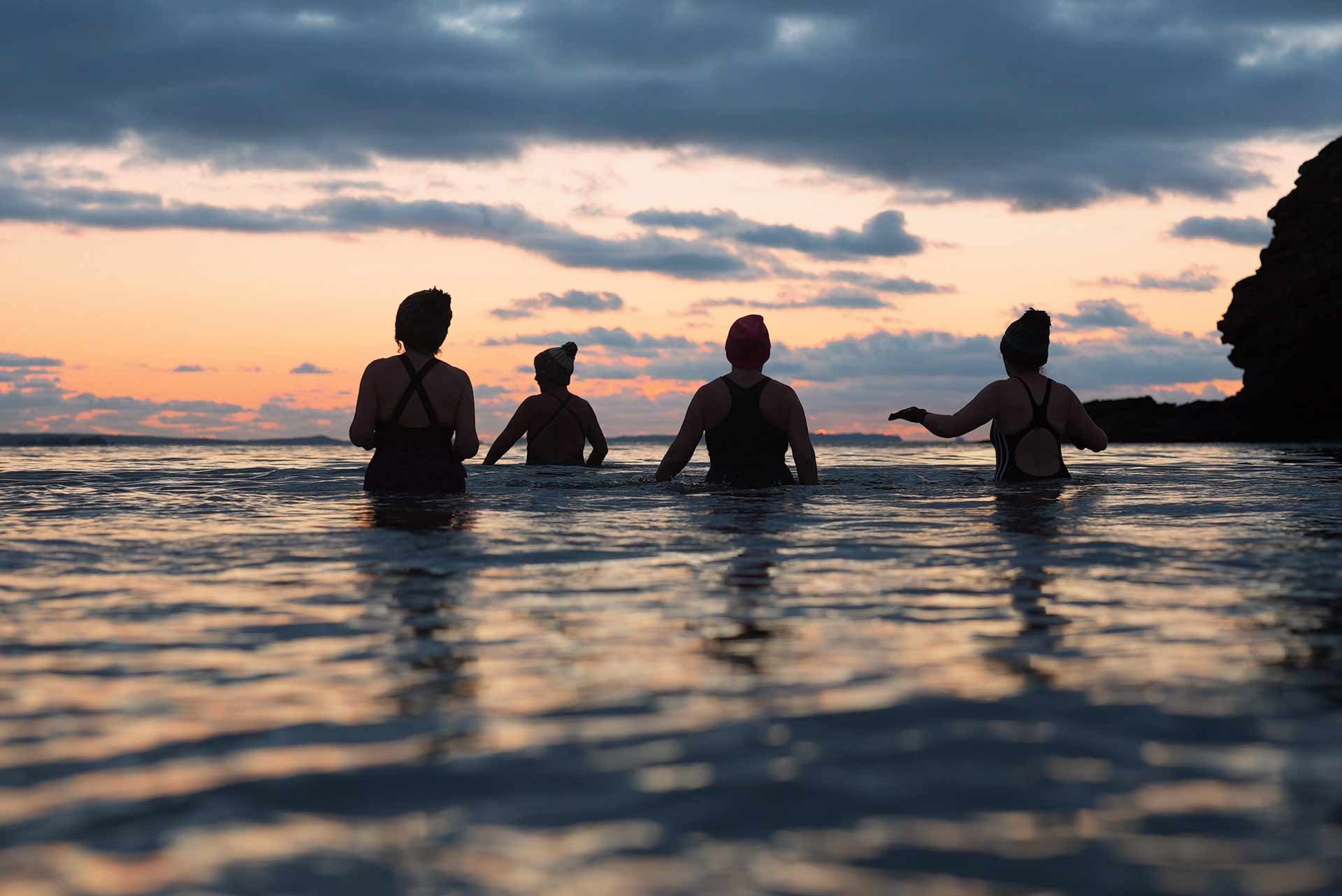
A typical Saltwater Sauna session (private or communal) lasts 65 minutes. After a short briefing by a host, most people take a sea dip – anything from 20 seconds of splashing water over the body to five minutes’ immersion – then return to the sauna for seven to 15 minutes, repeating the cycle three times. ‘The official term for this back-and-forth is the Nordic cycle,’ says Sam.
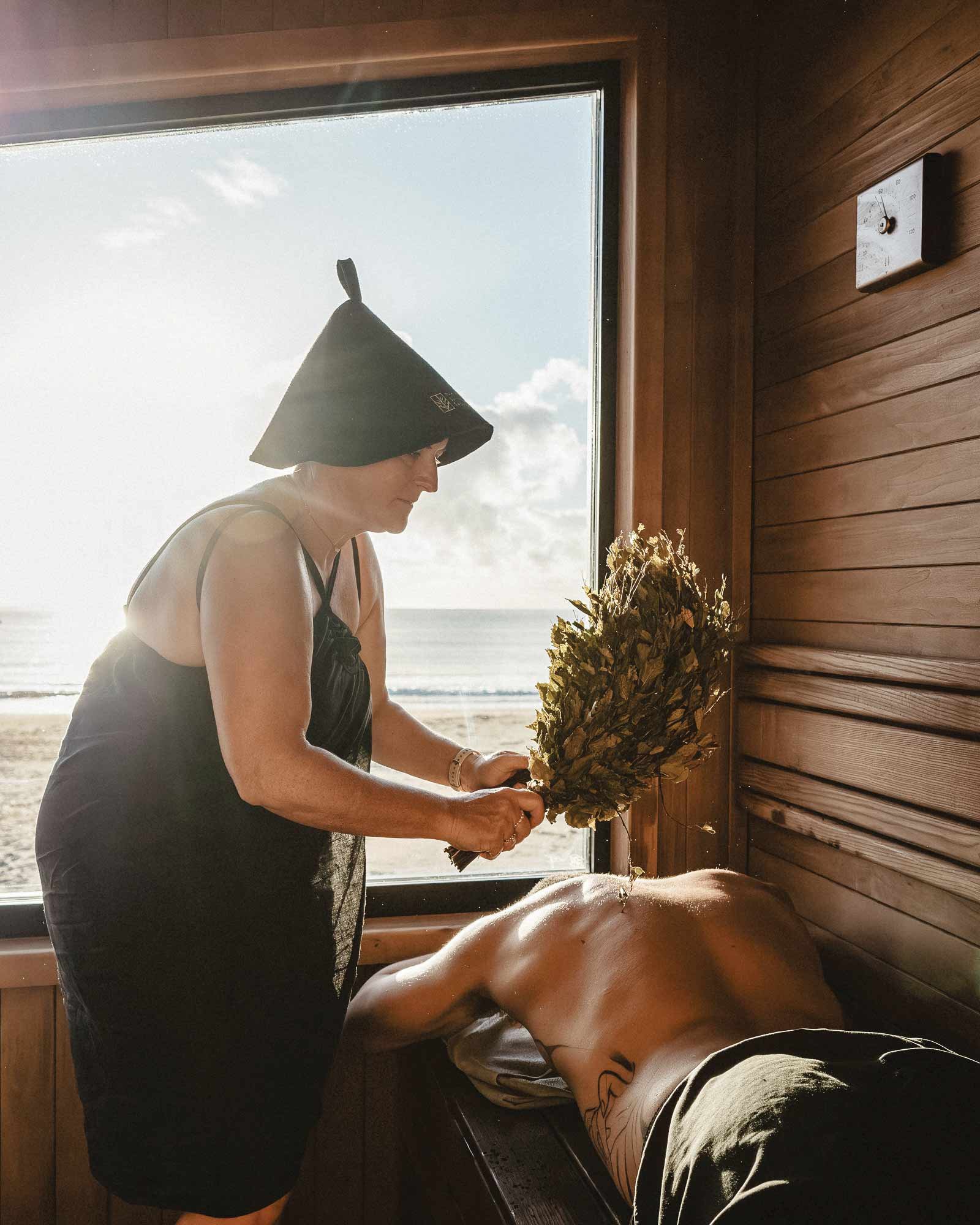
You can also dial it up: at Saltwater, the resident sauna master leads 90-minute guided rituals with homemade salt inhalations and scrubs, steam-aroma infusions, thermal leaf whisking and a honey mask to nourish and tone skin.
Feelgood factors
The benefits of the sauna and sea-swimming experience are widely reported. Heat exposure is thought to reduce inflammation, ease acute and chronic pain, support heart health, increase metabolism and improve post-workout recovery. Some reports link cold exposure to improved resilience, reduced stress and anxiety, and protection against lifestyle-related disease.
‘We see sauna and cold-water immersion as steady, grounding practices that can support recovery, resilience, and overall wellbeing over time,’ says Scott. ‘The combination of heat followed by cold creates a positive stress on body and mind. Over time, that helps you adapt and build mental resilience – staying calm through discomfort carries into daily life.’
Stripped-back socialising
Much of the science around contrast therapy centres on mood and happiness. Sam sees this every day: ‘Being in a sauna in a natural environment is really good for your mental health. And so is being involved in a unique social experience that pulls you out of your comfort zone and gets you talking.’
Scott agrees: ‘There’s something unique about communal sauna sessions. You might have an elderly couple, using the heat to help ease arthritis, strike up conversation with an 18-year-old rugby lad. There aren’t many places where people of completely different ages and backgrounds come together and talk. The combination of hot and cold gently strips everything back and removes the usual barriers,’ he adds. ‘Shared vulnerability, when surrounded by nature, creates a quiet sense of connection.’
Sam says: ‘Everyone is equal in the sauna. Some want a tranquil experience, but most of the time it’s a really social space and full of chatter. The cold gives people an endorphin rush, and that feeling carries into the sauna.’
First-hand experience
Longtime sauna advocate Linda Johnson-Bell has used the Wildwater Sauna for 18 months and thinks it’s the most authentic sauna experience she’s encountered. ‘It’s even better than saunas I’ve had in Helsinki,’ she says. ‘I’ve discovered so many beautiful beaches across the county by using this mobile sauna, and only ever met good people at Wildwater: it draws a certain tribe. The cold water erases your thoughts, while the warmth of the sauna calms your system. It’s an elemental experience that connects you to the sand, sea and sky in a way that’s almost spiritual.’
Before you jump in
Ex-professional surfer Sophie Hellyer, founder of Rise Fierce, which runs cold-water retreats and workshops in the UK and Ireland, shares key safety advice for first timers:
‘Cold water can be dangerous, especially in open seas or rivers, so it needs to be taken seriously. I’d recommend holidaymakers swim at an RNLI-lifeguarded beach. Otherwise, meet with a local group. Just don’t go alone.’
Sophie also warns of medical side effects to be aware of, such as cold shock. She says: ‘This is when the instant drop in temperature causes your breathing and heart rate to increase rapidly. It can lead to hyperventilation, which is why it’s so important to focus on your breathing and use long, slow exhalation. Afterdrop is another factor. After getting out of cold water, your core temperature can continue to drop for up to two hours, so it’s important not to stay in the water too long. Once you get out of your wet swimmers, pull on lots of warm layers and have a hot drink, because you’re likely to feel colder 20 minutes after the swim than when you first get out.’
Final drop of advice
‘Take it at your own pace and stay curious,’ says Scott. ‘Whether it’s your first time in the sauna or cold water, or if you’re already well-versed in the practice, there’s no need to prove anything. Listen to your body and move gently with what feels right for you. The experience unfolds best when you ease in, one step at a time.’
Salt & Steam was one of the features in Vol 1 of The Scenic Route, the national magazine we write, design and publish for holidaycottages.co.uk Read more about the project.