In a world being flooded with machine-made content and templated visuals, differentiators like taste come into sharp focus
There’s an anxiety running through the creative industry about the effect AI will have on our future. For if AI can write articles, design layouts and generate images as well as humans, where does that leave writers, editors and designers? However, an undeniable fact is that while AI can produce content, it has no taste. In fact, it has terrible taste.
Publishing and marketing are about more than churning out content. They capture mood and the zeitgeist, and intuit what people feel and value in a way that demonstrates emotional depth, critical thinking, nuance, editorial judgment and cultural awareness. Those human skills are extraordinarily difficult to replicate.
Terrible taste
AI can assemble existing articles about travel trends, places to stay or wellness habits, but it has no sense of discernment. Machines can’t know what to leave in and what to leave out.
The same is true for design. Sure, AI can generate layouts, suggest colour palettes and remix visual trends but design isn’t decoration. A great designer has a feel for psychology; they know how to make something look good but also how it makes you feel. At Salt, when copywriting or designing, we always sense check by asking ourselves ‘how does it make us feel?’.
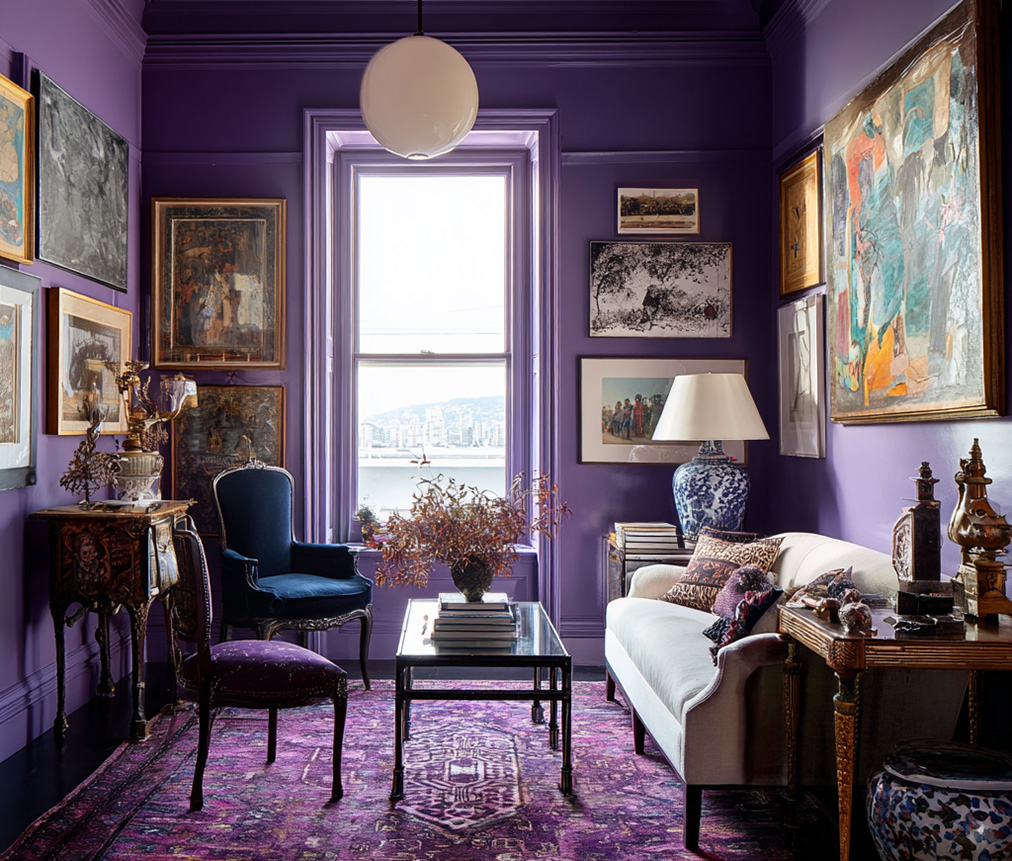
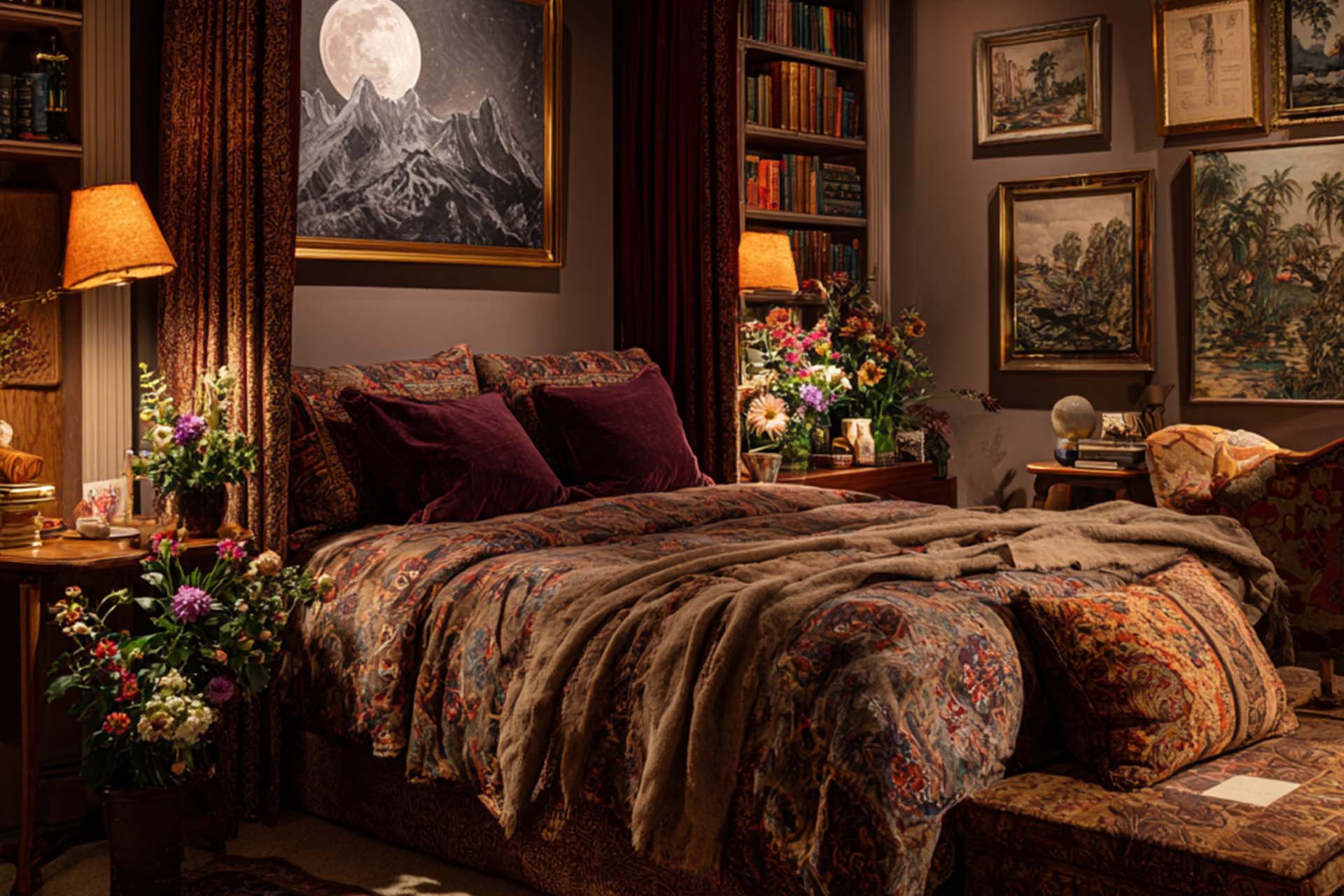
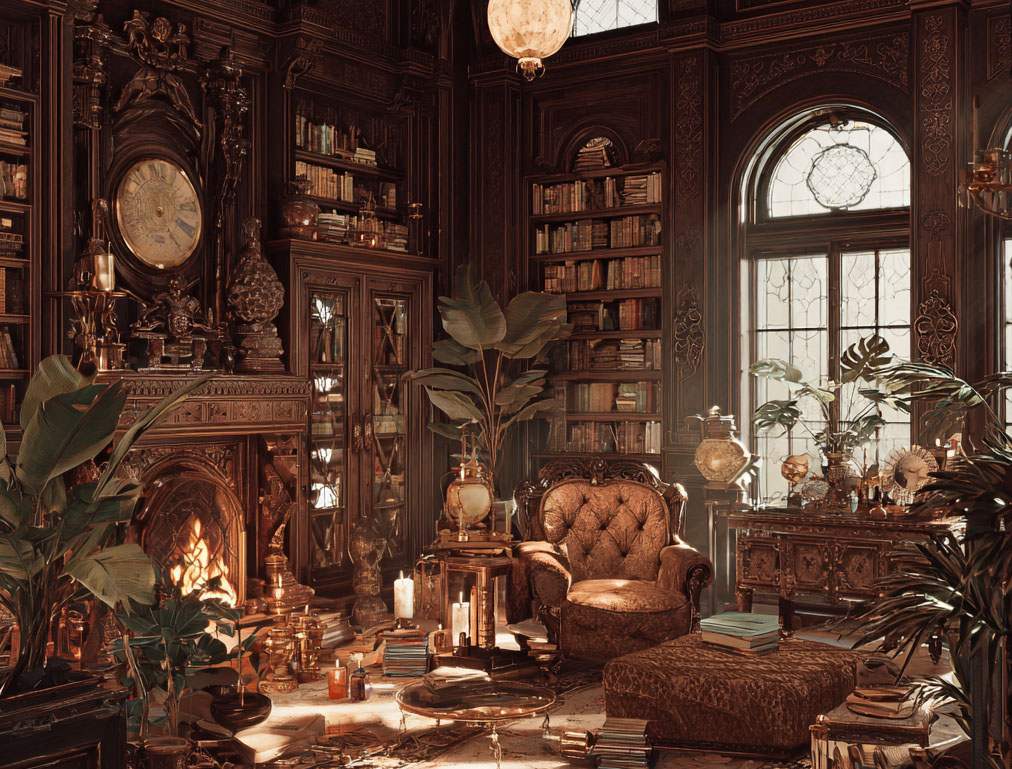
For anyone still not convinced, here’s what happened when we asked AI to create a room that is ‘the epitome of good taste’. Enjoy.
Concentrated flavours
The future of publishing doesn’t belong to those who compete with AI on speed, it belongs to those who can create genuine connections. That’s why we believe that, for creatives and publishers, the opportunity isn’t shrinking; it’s concentrating.
The more generic content the world produces, the more valuable distinct perspectives, real feeling and authenticity become. It’s an opportunity to hold fast to the importance of using human craft and understanding to create publications that make people feel what it is to be human and to live in this world.